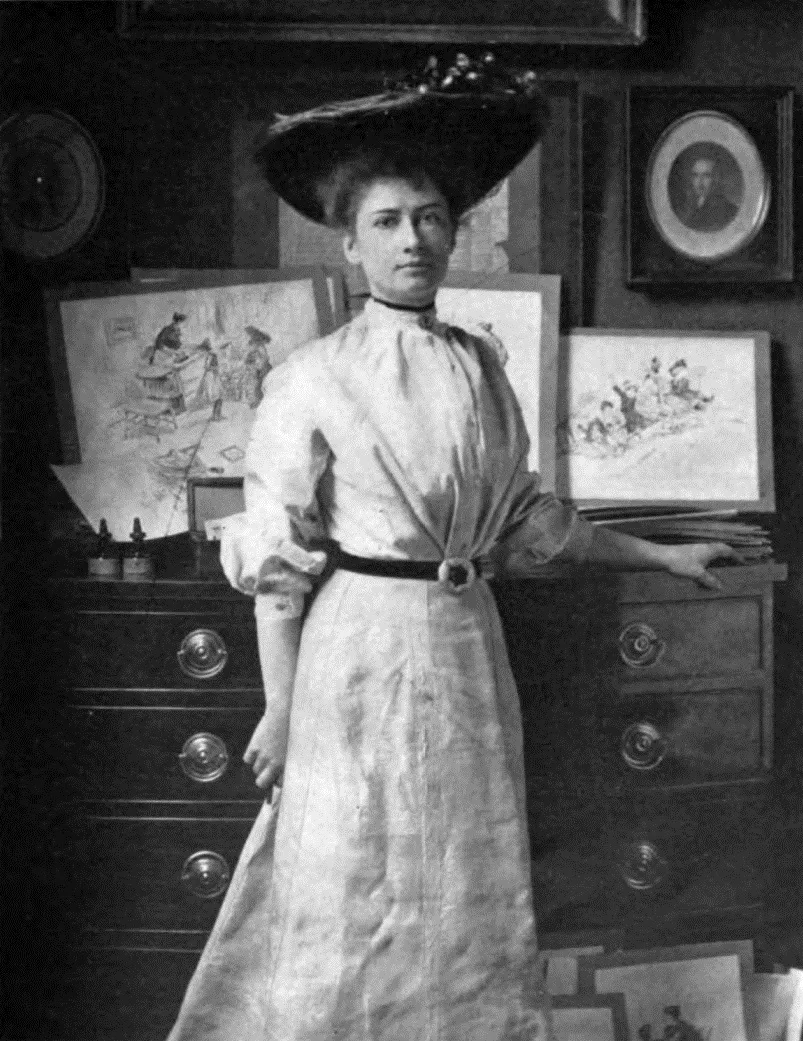
Florence Scovel Shinn spent the first half of her working life as a professional illustrator and the second half as a New Thought teacher, and it shows. Her books read less like sustained philosophical argument and more like a collection of short, memorable, illustrated scenes, small stories that make a single point and move on. That style is a large part of why her sentences have kept circulating, often unattributed, in manifestation content for a full century.
An illustrator’s early career
Shinn was born on September 24, 1871, in Camden, New Jersey, to Alden Cortlandt Scovel and Emily Hopkinson Scovel. On her mother’s side she was descended from Francis Hopkinson, a signer of the Declaration of Independence, a detail biographical sketches of her tend to mention.
She trained at the Pennsylvania Academy of the Fine Arts in Philadelphia, where she met fellow student Everett Shinn, who would become both her husband and a well-known American painter in his own right. Through the early 1900s Florence worked as a professional illustrator, contributing to Harper’s magazine and illustrating popular novels, including Mrs. Wiggs of the Cabbage Patch (1901). In 1903 she was elected an associate member of the Society of Illustrators, notable given that full membership wasn’t opened to women there until 1922. Her marriage to Everett ended in divorce in 1912.
A second career beginning in her fifties
After the divorce, Shinn gradually moved away from illustration and toward New Thought study, eventually teaching and counseling informally for a number of years before she published anything under her own name. Her first and best-known book, The Game of Life and How to Play It, appeared in 1925, when she was in her early fifties, and found a wide readership within New Thought circles almost immediately. She followed it with Your Word Is Your Wand (1928) and The Secret Door to Success (1940). The Power of the Spoken Word was published posthumously in 1945, and her four major books have since been reissued together as a single collected volume.
A short, quotable, story-driven style
What sets Shinn apart from most of her New Thought contemporaries is form as much as content. Her chapters are short, her sentences aphoristic, and she builds her arguments through small anecdotes, brief accounts of students, clients or her own experience, used to demonstrate a principle rather than argue for it at length. Those stories are best read as her own reported teaching examples, not as independently verified case studies.
Her central theme is that spoken words function as an active, shaping force rather than a neutral description of circumstance: habitual complaint or fear, in her framework, reinforces the very conditions being complained about, while a consciously chosen statement, what she called a decree, works in the opposite direction. She treated prosperity, health and relationships as governed by the same underlying principle rather than requiring separate frameworks, a stance consistent with the wider New Thought teaching of her era. Her background as an illustrator is visible throughout, in writing that favors a concrete, visual, scene-based approach over abstract argument, likely part of why her books have stayed so easy to excerpt for close to a hundred years.
Where she sits in New Thought history
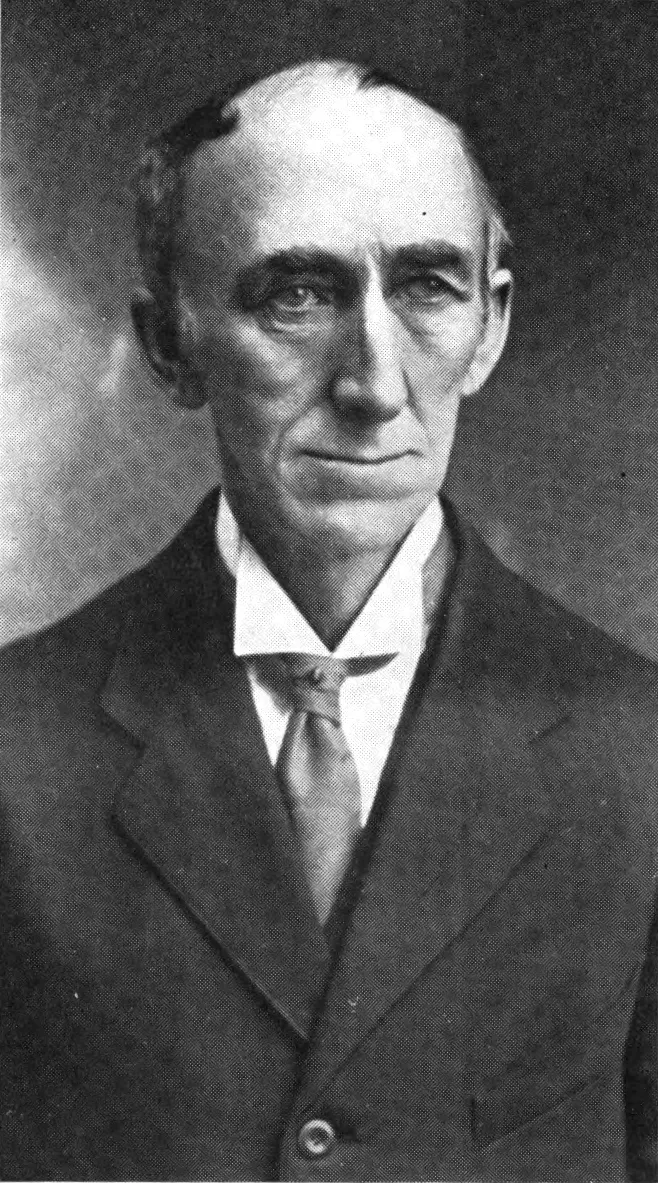
The Game of Life appeared in 1925, roughly midway between Wallace D. Wattles’ The Science of Getting Rich (1910) and the mid-century wave of writers that included Neville Goddard, placing her within the same broad current of American New Thought even without documented evidence of a personal connection to any one of them specifically.
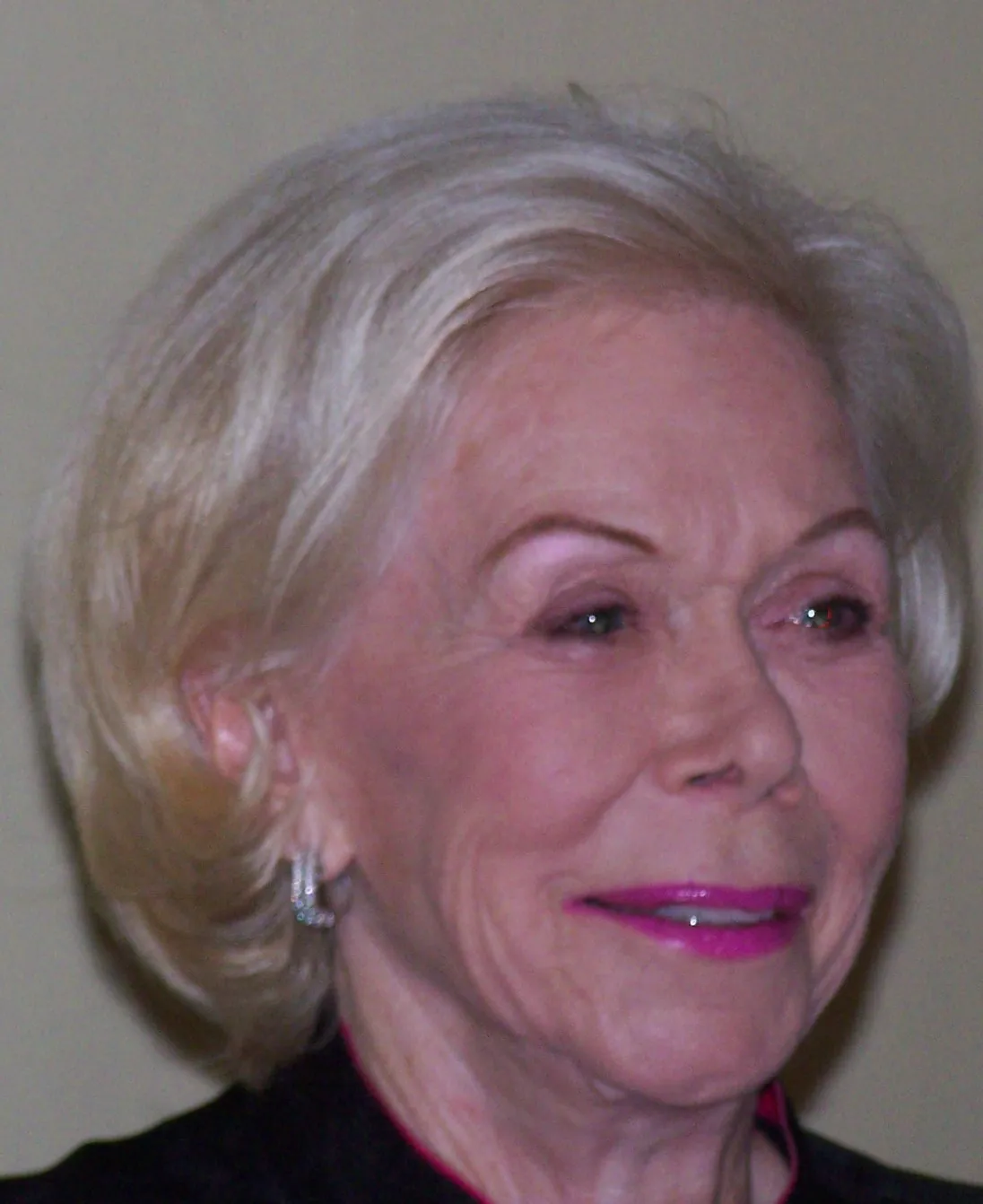
Her most clearly documented influence runs forward rather than backward: Louise Hay, one of the most widely read self-help authors of the late twentieth century, named Shinn as an early influence on her own affirmation-based work, a direct line from Shinn’s decrees to a body of teaching still very active today. Because The Game of Life and her other books have long been in the public domain, they remain freely available through sources like Wikisource and Project Gutenberg, which is part of why her short, quotable style keeps resurfacing in manifestation content and social media excerpts, often stripped of her name entirely.
Shinn died on October 17, 1940, in New York City, following an illness of several weeks, at the age of 69.