
Law of Attraction
The belief that similar energy attracts similar energy, so your dominant thoughts and emotions draw matching circumstances toward you.
The Law of Attraction is the specific framework most people picture when they hear the word “manifestation” today, largely thanks to how thoroughly Rhonda Byrne’s The Secret (2006) popularized it. The core claim is that like attracts like: your dominant emotional state acts like a kind of magnet, drawing in circumstances that match it, not just your words or intentions.
That’s a stronger claim than “positive thinking helps.” It implies an actual causal link between inner state and outer event, which is where the Law of Attraction moves from psychology into more explicitly metaphysical territory, a belief claim rather than something with direct scientific backing.
It’s often used interchangeably with the Law of Assumption, Neville Goddard’s earlier and more specific teaching, but people who spend time with both traditions tend to notice a real difference. The Law of Attraction is generally described as pulling something toward you from outside. The Law of Assumption is about the internal act of already living as the person who has it, with the outer world reorganizing to match rather than being drawn in. Esther Hicks’ Abraham-Hicks material and Rhonda Byrne’s writing are the two names most associated with the Law of Attraction specifically, as distinct from the older Goddard lineage.
For the full comparison between the two frameworks, see What Is the Law of Attraction? and What Is the Law of Assumption?
Related Teachers
Teacher
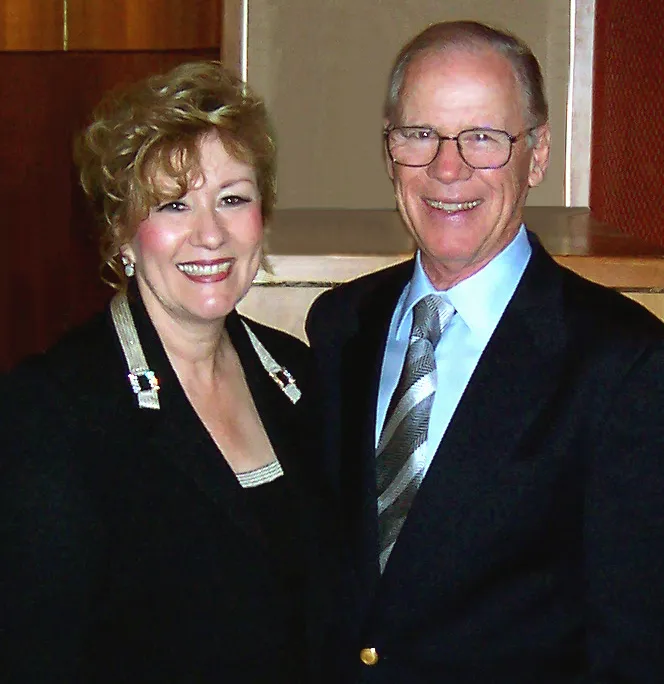
Esther Hicks
b. 1948
An American speaker and author who presents material she says is channeled from a non-physical group consciousness called Abraham; her books and workshops directly shaped the modern Law of Attraction movement, including Rhonda Byrne's The Secret.
Teacher
Rhonda Byrne
b. 1951
An Australian television producer whose 2006 film and book The Secret popularized the modern Law of Attraction more widely than any single work before it, largely by synthesizing much older New Thought ideas.
Related Articles
Manifestation
What Is the Law of Attraction?
A focused look at the Law of Attraction itself: the like-attracts-like claim, its roots before The Secret, the practices built around it, and what's belief versus what's psychologically grounded.
August 9, 2026 · 7 min read
Manifestation
What Is the Law of Assumption?
Neville Goddard's Law of Assumption, explained on its own terms: why assumption is a different mechanism than attraction, not just a synonym for it, and how the difference plays out in practice.
August 9, 2026 · 7 min read