
New Thought
The 19th-century American spiritual movement holding that mind has a real, causal influence on health and circumstance, and the root of manifestation ideas.
New Thought is the loosely organized set of American spiritual and philosophical teachings that took shape in the mid-to-late 1800s, and it’s the root most manifestation vocabulary traces back to, whether modern teachers credit it or not. Its central, unusual-for-the-time claim was that mind has a real, causal influence on health and circumstance, not just an indirect psychological one.
The movement never had a single founder or church structure. It grew through independent writers, healers and lecturers, each building on and departing from each other’s ideas over several decades. Out of that loose network came writers whose work still gets read today: Wallace D. Wattles, whose The Science of Getting Rich (1910) framed wealth as a direct result of thinking and acting in a deliberate, specific way, and James Allen, whose As a Man Thinketh (1903) linked character and circumstance to habitual thought. Neville Goddard, working later and largely independently, is usually placed within the same broad tradition.
New Thought is the reason so much manifestation content shares a vocabulary and set of assumptions even when the individual authors never read each other. The historical throughline is real, even where the specific claims and emphasis shifted considerably between the 1800s and today’s version.
For the full history, see The New Thought Movement and History of Manifestation.
Related Teachers
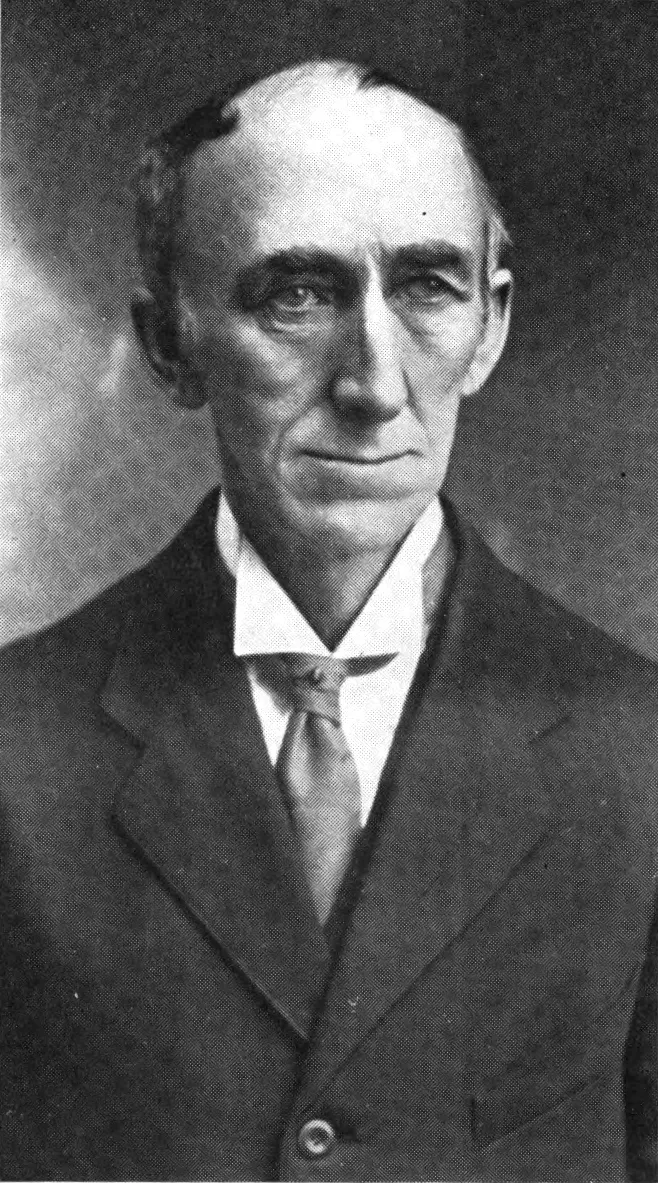
Teacher
Wallace D. Wattles
1860–1911
An American New Thought writer whose 1910 book The Science of Getting Rich laid out an early, influential framework for applying mental law to wealth, later credited by Rhonda Byrne as the spark for The Secret.
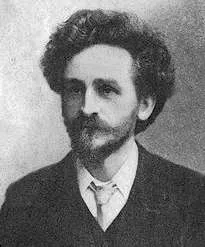
Teacher
James Allen
1864–1912
An English writer whose short 1903 book As a Man Thinketh became one of the founding texts of New Thought, directly shaping Napoleon Hill and generations of later self-help writers.
Teacher
Neville Goddard
1905–1972
A Barbadian-American writer and lecturer whose teaching on imagination and assumption underlies most of today's visualization-based manifestation practice.
Related Articles
History
The New Thought Movement
What New Thought actually teaches, the churches and publications it produced, and the long list of writers, from Wattles to Goddard, associated with it.
August 9, 2026 · 7 min read
History
History of Manifestation
The roughly 150-year arc from Phineas Quimby's mental healing experiments through the New Thought movement to today's Law of Attraction wave.
August 9, 2026 · 8 min read