Gratitude shows up in nearly every manifestation framework, and rarely as an afterthought. The reasoning, across different teachers, is fairly consistent: focusing attention on what’s already going right builds a felt sense of abundance, while focusing on what’s missing keeps reinforcing the feeling of lack, which most manifestation teaching treats as self-defeating no matter how badly you want the thing you don’t have.
This page covers the practical version, what to actually do, rather than the broader concept, which is covered separately in Gratitude and Manifestation.
The three things exercise
The simplest, most widely taught version of this practice is naming three specific things you’re grateful for, daily. The word “specific” is doing real work in that sentence. “My family” said every day for a month stops meaning much, to the person saying it as much as to anyone else. “My sister called just to see how my week was going, and I hadn’t realized how much I needed that until she did” is a different kind of statement entirely, specific enough that you can actually feel it while naming it, not just recite it.
A useful test: if you could write the same entry on any random day without changing a word, it’s probably too generic. Specificity is what keeps the practice from going stale.
Gratitude journaling as a fuller version
Where the three-things exercise is quick, a gratitude journal is the slower, written version of the same idea. It doesn’t need to be long. A few sentences most days, kept somewhere consistent, tends to work better than an ambitious, elaborate entry attempted occasionally and then abandoned. Some people keep a dedicated notebook; others fold it into an existing journaling habit, adding a short gratitude section to whatever else they’re already writing.
Writing, rather than just thinking the list, seems to matter for a fairly ordinary reason: it slows you down. It’s much easier to skim past a mental list of three things in ten seconds without feeling any of it than it is to write even a short sentence about each one.
What gratitude research actually shows
Gratitude is one of the more directly studied practices on this site. In an often-cited 2003 study, psychologists Robert Emmons and Michael McCullough had participants keep either a weekly or daily record of things they were grateful for, compared with participants who logged hassles or neutral events. The gratitude groups showed measurably higher wellbeing across several outcomes, including mood and, in some measures, physical symptoms, relative to the comparison groups.
That’s a genuine, peer-reviewed basis for gratitude practice improving subjective wellbeing. It’s a more modest claim than the metaphysical one some manifestation teaching layers on top, that a grateful state directly attracts specific external circumstances. The wellbeing research supports gratitude as something worth doing for its own sake; it doesn’t establish the further claim that it operates as a causal mechanism pulling outcomes toward you.
Gratitude for what hasn’t happened yet
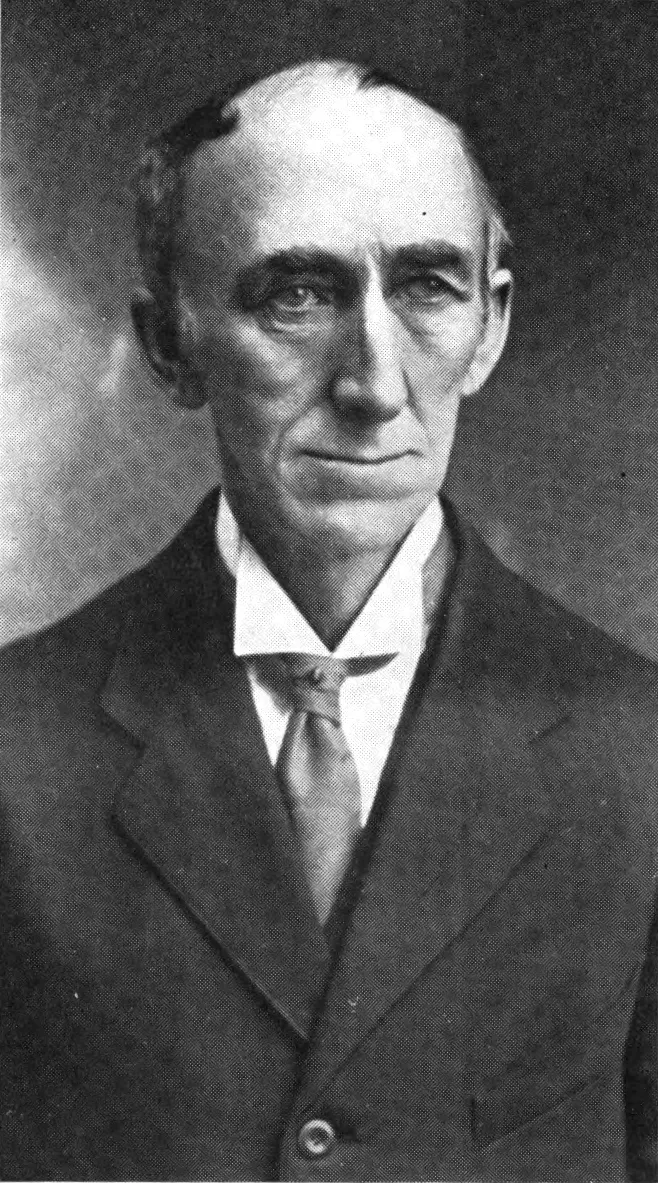
Some teachers extend gratitude practice beyond things that are already true, adding a step of feeling grateful in advance for a goal that hasn’t arrived. Wallace D. Wattles built an entire chapter of The Science of Getting Rich around this idea, arguing that a continuously grateful stance, including gratitude for what’s on its way, keeps a person’s mind in the frame most conducive to receiving it.
This is a meaningfully different exercise from ordinary gratitude for what’s already real, so it helps to know which one you’re doing. Gratitude for the present tends to feel calm and settled. Gratitude for a hoped-for future can tip into something closer to bargaining or anxious hoping if it’s not approached carefully, quietly checking whether the gratitude “worked” rather than actually resting in the feeling. If advance gratitude starts to feel tense rather than warm, it’s usually worth returning to ordinary, present-tense gratitude for a while instead.
Making it durable
The practice tends to fail for the same reason a lot of daily habits fail: it gets attached to willpower instead of to an existing routine. Pairing it with something that already happens daily, coffee, brushing teeth, the last light off before sleep, tends to outlast a practice that depends on remembering.
Keep it on hard days too, rather than treating it as something reserved for when life is already going well. The instruction isn’t to pretend a difficult day was actually fine. It’s closer to a scan for whatever, even something small, still held up. That’s a different and more honest use of the practice than forcing positivity over real difficulty.